
The Foundation of Economic Forecasting
Macroeconomic indicators serve as the pulse of a nation's financial health. By tracking these metrics, analysts and policy makers can gauge whether an economy is expanding or contracting. Understanding these signals is vital for any individual looking to manage their capital effectively and protect their long-term stability.
Gross Domestic Product (GDP): The Broadest Metric
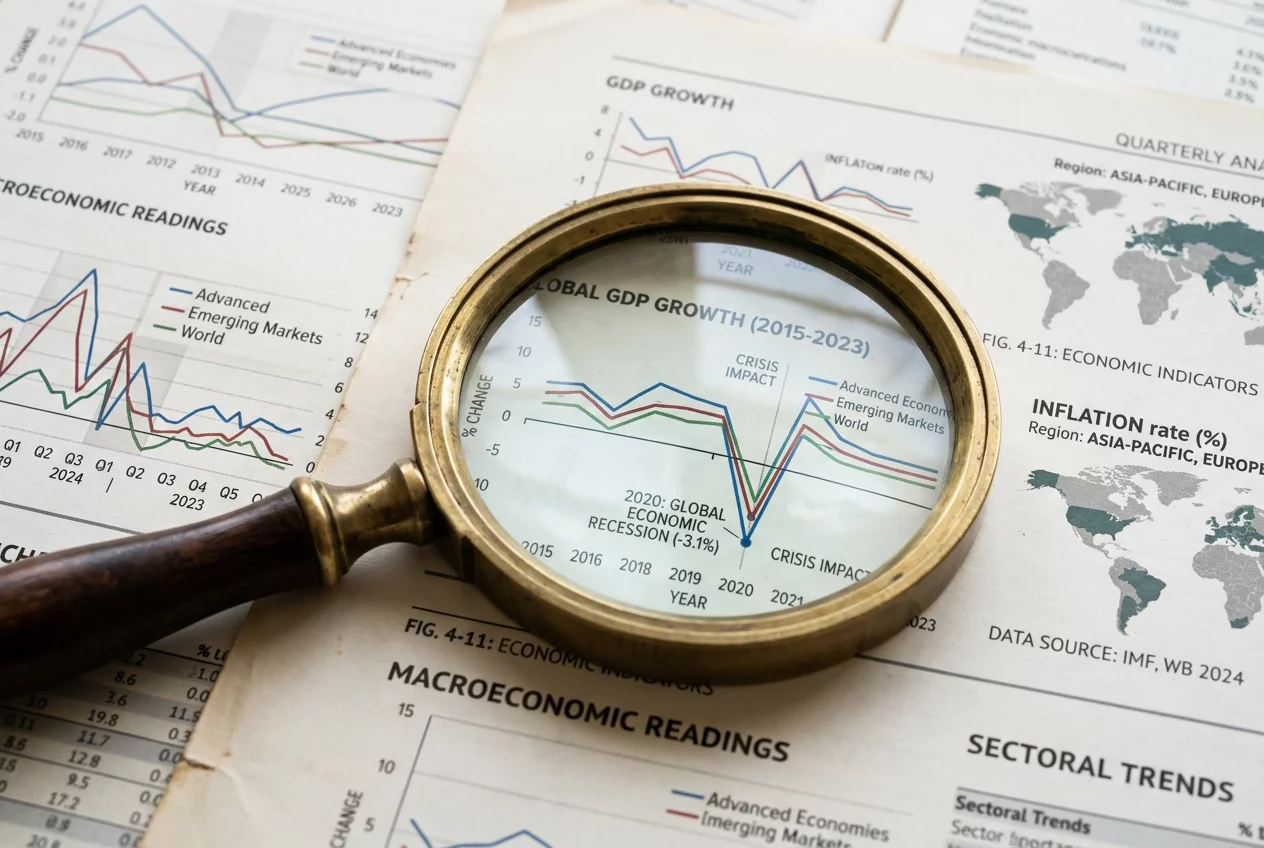
GDP represents the total market value of all final goods and services produced within a country's borders during a specific period. It is the most comprehensive measure of overall economic activity. A rising GDP indicates a robust economy where businesses are growing and production is high. Analysts often look at 'Real GDP' to account for price changes over time, providing a clearer picture of actual growth without the distortions caused by rising prices.
Inflation and Purchasing Power
Price stability is a core objective for central banks. Metrics like the Consumer Price Index (CPI) track changes in the cost of a basket of goods. When prices rise too quickly, the purchasing power of your capital diminishes. Conversely, deflation can signal a lack of demand. Monitoring these trends helps in adjusting asset allocation to hedge against rising costs.
Employment Data and Labor Markets
Labor market strength is a lagging but crucial indicator. High employment levels generally lead to increased consumer spending, which fuels further economic growth. Reports such as non-farm payrolls provide monthly snapshots of job creation, helping to predict future shifts in fiscal policy and interest rate adjustments.
Frequently Asked Questions
Why does GDP matter to individual savers?
GDP growth correlates with corporate health and stability. While it doesn't guarantee individual success, a growing economy provides a more favorable environment for preserving capital and finding growth opportunities.
How does inflation affect debt?
Moderate inflation can actually reduce the real value of fixed-rate liabilities over time, as the currency used to pay back the debt is worth less than when it was borrowed. However, high inflation often leads to higher interest rates for new borrowing.
Analysis Discussions
Leave a comment
Thank you! Your comment has been submitted and is awaiting moderation.
No comments yet. Be the first to share your thoughts on these economic indicators.