
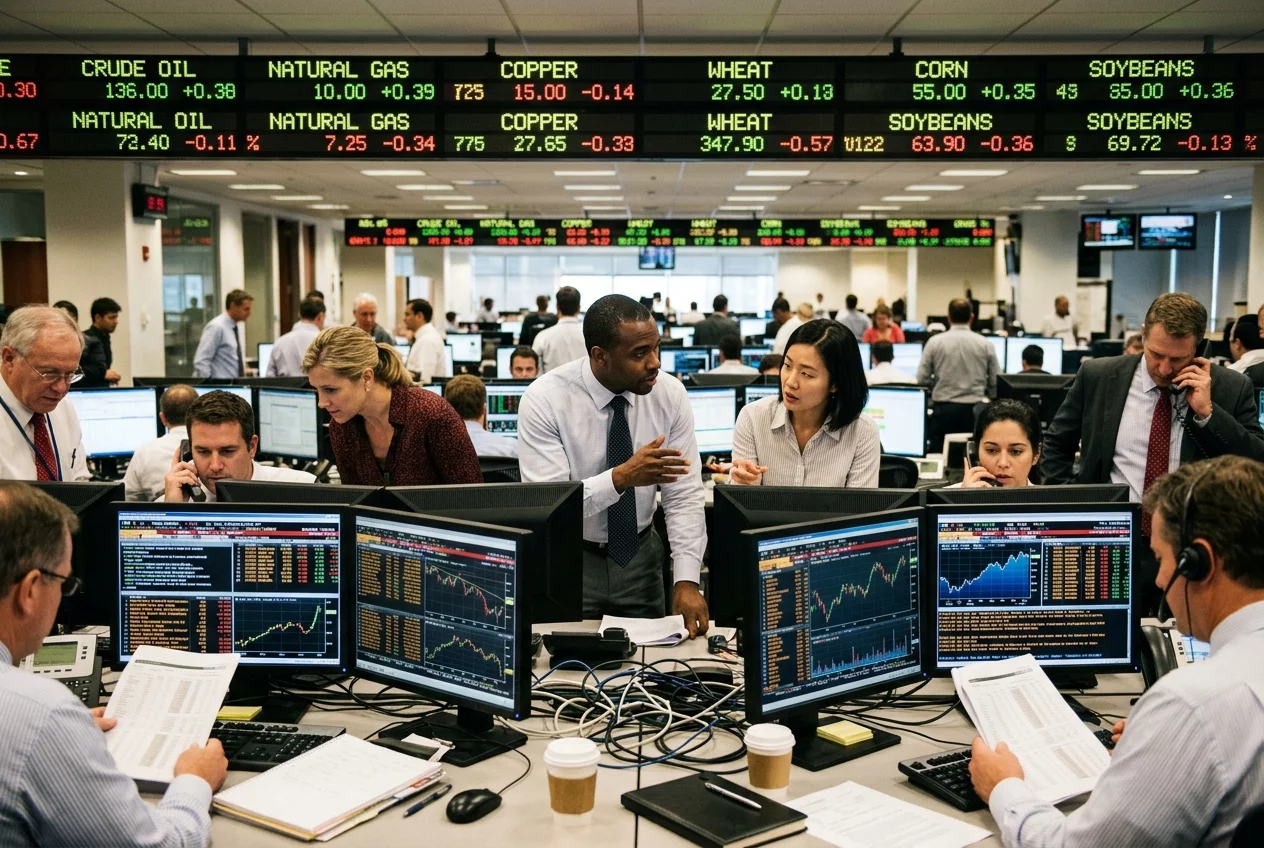
Commodities represent the foundational layer of the global economy. These tangible resources—ranging from energy carriers like crude oil to industrial components like copper and precious metals—often behave differently than traditional equities or bonds. In times of rising consumer prices, these assets tend to retain their purchasing power because their value is tied to physical scarcity rather than corporate earnings or policy decisions.
Understanding Precious Metals
Precious metals, particularly gold and silver, have served as stores of value for centuries. In the current economic climate, central banks worldwide are increasing their gold reserves, suggesting a strategic move toward asset diversification and security. While gold often acts as a hedge against currency devaluation, silver remains highly sensitive to industrial demand, especially in the growing green energy sector where it is essential for solar technology.
Supply and Demand Cycles
Understanding the supply and demand cycle is crucial. For energy commodities, geopolitical tensions and production caps can create significant volatility. Conversely, industrial metals respond to infrastructure spending and manufacturing output. By including these hard assets in a broader portfolio, individuals can seek to balance the risks associated with inflation and market fluctuations. The key is to view these positions as long-term stabilizers rather than speculative tools.
Supply Chain Dynamics
Global logistics and extraction costs play a primary role in determining the availability of these resources. When production costs rise due to energy prices or labor scarcity, the baseline value of the commodity often increases to reflect these changes. This intrinsic link to the physical world provides a layer of protection that paper assets cannot always offer.
Strategic Asset Allocation
Modern portfolios often include a percentage of hard assets to mitigate the impact of systemic shocks. Precious metals, in particular, do not have the same risk profile as corporate debt or equity. They are finite resources, and their presence in a holdings strategy can provide significant stability when other sectors experience downturns.
Frequently Asked Questions
Why are commodities considered a hedge?
They are physical goods with limited supply. When currency values drop, the cost to acquire these goods typically increases, helping to preserve the purchasing power of the holder.
What drives the demand for industrial metals?
Demand is primarily driven by manufacturing, construction, and technological advancements, such as the production of batteries and electric components.
Analysis Discussions
Leave a comment
Thank you! Your comment has been submitted and is awaiting moderation.
Diana Prince
06/13/2026